How Nielsen Innovates
Nielsen is widely known for its TV ratings. But it does so much more than measure what people watch. It also tracks what people buy through a variety of new technologies.
Nielsen’s innovative spirit was what the company’s Chief Operating Officer, Mitchell Habib, wanted to capture in a high-energy video for an audience of corporate executives in India.
In collaboration with Harrington Design Company, I filmed interviews with some of Nielsen’s lead inventors and produced four 90-second videos, each highlighting a different innovation.
It was some of the best work we had done for Nielsen and we were excited to show Mitchell the culmination of three weeks of work. So we flew to New York to make the big presentation to Mitchell at Nielsen’s headquarters.
Ten minutes into the meeting, all four videos were killed.
We had 72 hours before he boarded a plane to India to come up with a totally new concept and put it together. After several deep breaths and some reassuring self-talk, we began working on a completely new piece, which weaved together short clips of Nielsen’s innovation stories with a funky beat and animations to match.
Here’s what adrenalin helped create, in addition to a very happy client.
How to Live to Be 100
We learn about ourselves, our families and our history through stories.
Stories are how we are remembered, a record that we were here and made an impact on the world.
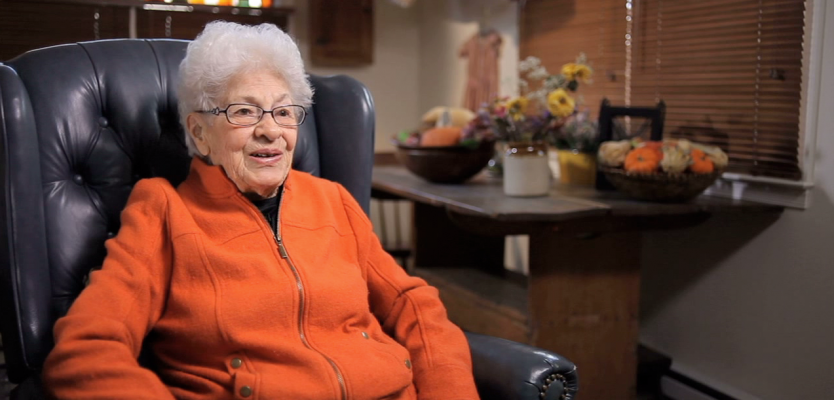
My most recent project, a film about 96-year-old painter Nathalie Engdahl, is a tribute to this mother of four children, two of them artists—sculptor David Engdahl and painter Ellen Ehlenbeck.
Nathalie’s passion is painting nature raw and untouched to get people in today’s fast-paced society to appreciate the stillness and beauty that surrounds them.
The film is a celebration of her career as an artist, her creative inspiration and the legacy she is leaving her family and the arts community in her native York, Pennsylvania.
The film is due out later this summer.
Visual Griots
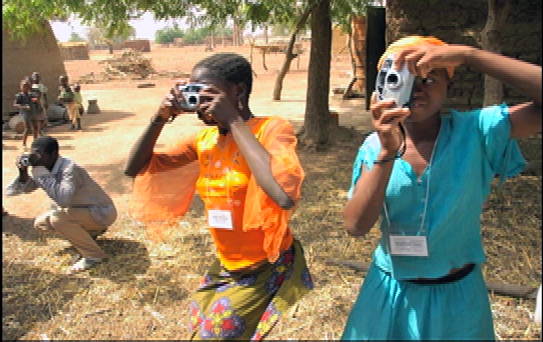
In January of 2005, the Washington, D.C.-based nonprofit AED sent a team of Malian and U.S. photographers to two remote villages in Mali. They taught sixth graders how to tell their stories of village life with cameras. The project became known as “Visual Griots.” An exhibit of the children’s photographs opened at the Smithsonian Museum of Natural History in the Fall of 2006.
NetMark Project
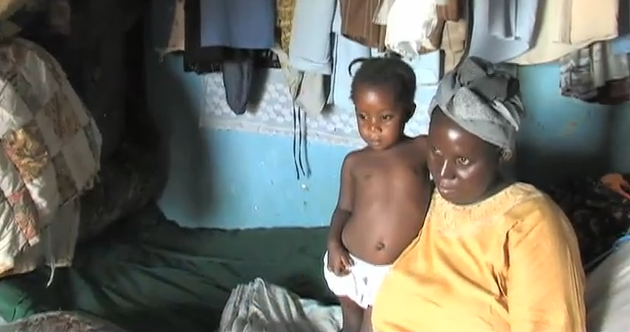
More than two million Africans die from malaria every year. From 1999-2009 the NetMark project, managed by the Washington, DC-based nonprofit AED, helped to prevent malaria by making insecticide-treated bednets available, affordable, and widely used in eight African countries. I produced this video on location in Uganda to tell NetMark’s story on AED’s website for World Malaria Day.